

Have you ever wondered what money really is, and how it’s created? The truth is, most of us never give it a second thought. We just use it to buy the things we want and need, without really understanding where it comes from or how it works. But the fact is, the way money is created and managed can have a profound impact on our lives and the world around us. That’s why it’s important to take a closer look at the current fiat money system, which is the way most countries around the world create and manage their currencies. In this blog post, we’ll explore the problems with the current system, and how Bitcoin, a new digital currency, could provide a solution that is more stable, secure, and accessible to everyone.
The Current Fiat Money System
Money has been around for thousands of years, and throughout history, various types of objects have been used as money, including seashells, beads, and precious metals like gold and silver. In the past, many countries backed their currencies with gold, which meant that people could exchange their paper money for a fixed amount of gold. This created a sense of stability and trust in the monetary system.

However, in the 20th century, most countries abandoned the gold standard and switched to the current fiat money system. In this system, the value of money is not backed by a physical commodity like gold, but by the trust people place in the government or central bank that issues the currency.
Central banks have the power to control the money supply and set interest rates. When central banks want to stimulate the economy, they can lower interest rates, which makes it cheaper to borrow money and encourages people to spend and invest. Conversely, when central banks want to slow down the economy, they can raise interest rates, which makes it more expensive to borrow money and encourages people to save. This system of controlling interest rates is used to manage inflation, which is the rate at which prices of goods and services increase over time.
Despite the benefits of the current system, it has led to several problems. One of the biggest issues is that it tends to favor certain groups over others. Wealthy investors and big banks can benefit from easy access to cheap credit, while ordinary individuals may struggle to get loans or save for the future. Additionally, the current system can be subject to government manipulation, corruption, and mismanagement, which can lead to financial crises and economic instability.
In the next section, we’ll explore some of the problems with the current system in more detail, and discuss how Bitcoin could provide a potential solution.
The Problems with the Current Fiat Money System
The current fiat money system has been in place for several decades, and while it has its advantages, it also has several problems that have become more apparent over time. Some of these problems include inflation, economic instability, financial inequality, government manipulation, and limited financial freedom.
One of the biggest issues with the current system is inflation. Central banks have the power to create money out of thin air, which can lead to an increase in the money supply and ultimately, inflation. Inflation is the rate at which prices of goods and services increase over time, and can erode the purchasing power of people’s savings. When inflation is too high, it can lead to economic instability and make it difficult for individuals to plan for the future.
The current system is also prone to economic and financial crises. For example, the 2008 financial crisis was caused in part by easy credit and risky lending practices. When the housing market collapsed, many banks and financial institutions went bankrupt, leading to a global recession. This shows how the current system can be unstable and lead to widespread economic damage.

Another problem with the current system is financial inequality. The system tends to favor certain groups over others. The system tends to favor certain groups over others. Wealthy investors and big banks can benefit from easy access to cheap credit, as they are often the first to gain access to newly created money. They can use this money to invest in assets such as stocks, real estate, and other investments, which can drive up prices and benefit them even more. On the other hand, ordinary individuals may struggle to get loans or save for the future, and may not benefit as much from low interest rates. Ordinary people have have to feel the consequences of the now higher prices instead. This can lead to a widening wealth gap, which can have negative social and economic consequences.
The current system can also be subject to government manipulation, corruption, and mismanagement. The government or central bank has the power to control the money supply and set interest rates. While this can be used to manage inflation and stimulate the economy, it can also be used for political gain or to benefit certain groups. This can lead to financial crises and economic instability, as we’ve seen in many countries throughout history.
Finally, the current system can be restrictive for individuals who are underbanked or unbanked. These individuals may have limited access to credit, savings, or other financial services. This can make it difficult for them to participate fully in the economy and achieve their financial goals.
These problems with the current fiat money system have led to increased interest in alternative forms of currency, such as Bitcoin. In the next section, we’ll explore how Bitcoin works and why it is seen as a potential solution to these problems.
Bitcoin as a Solution
Bitcoin is a digital currency that operates on a decentralized network. It provides an alternative to the current fiat money system, which is prone to problems such as inflation, economic instability, financial inequality, government manipulation, and limited financial freedom.
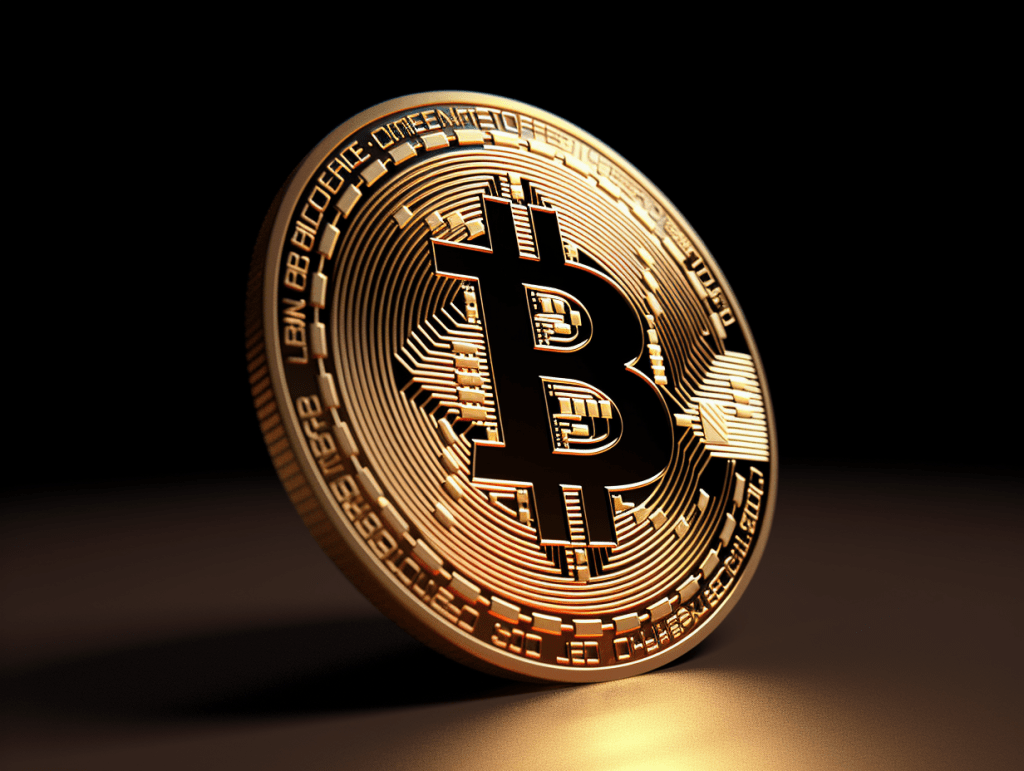
One of the key features of Bitcoin is its limited supply. There will only ever be 21 million bitcoins in existence, and this limit is hard-coded into the Bitcoin protocol. This means that Bitcoin is a deflationary currency, as the supply cannot be increased to meet demand. Unlike fiat currencies, which can be created out of thin air by central banks, Bitcoin’s limited supply makes it a scarce and valuable asset. This also means that the economy can develop itself organically instead of the central banks and governments trying to control it, which arguably is impossible to do anyways.
Another important feature of Bitcoin is its decentralized nature. Bitcoin is not controlled by any government or central authority, which means that it is not subject to government manipulation or mismanagement. Instead, it is powered by a network of computers around the world, which are all connected to the same blockchain. This creates a transparent and secure ledger of all Bitcoin transactions, which cannot be altered or manipulated by any single entity.
Bitcoin also provides greater financial freedom to individuals around the world. With Bitcoin, anyone can send and receive money without the need for a bank account or traditional financial institution. This can be especially important for individuals who are underbanked or unbanked, and may not have access to traditional financial services.
Finally, Bitcoin can provide a more fair and equal financial system. Unlike the current fiat money system, which tends to favor certain groups over others, Bitcoin can provide a level playing field for all individuals. Anyone can participate in the Bitcoin network, and the limited supply means that wealth cannot be created out of thin air by central authorities.
Conclusion
The current fiat money system is broken. It is controlled by a small group of powerful individuals who can create money out of thin air and manipulate the economy to their own benefit. This has led to economic instability, financial inequality, and limited financial freedom for ordinary individuals.
Bitcoin provides a solution to this broken system. It is a decentralized currency that is not controlled by any government or central authority. It has a limited supply, which makes it a scarce and valuable asset that cannot be manipulated by anyone. It also provides greater financial freedom and privacy, allowing individuals to send and receive money without the need for a bank account or other financial institution.
While Bitcoin is still in its early stages, it has already shown the potential to disrupt the current financial system. It has already been used for everything from buying a cup of coffee to making cross-border payments. It has the potential to create a more fair and equal financial system, where everyone has the same opportunities to participate and benefit.
 Sat School
Leave a comment